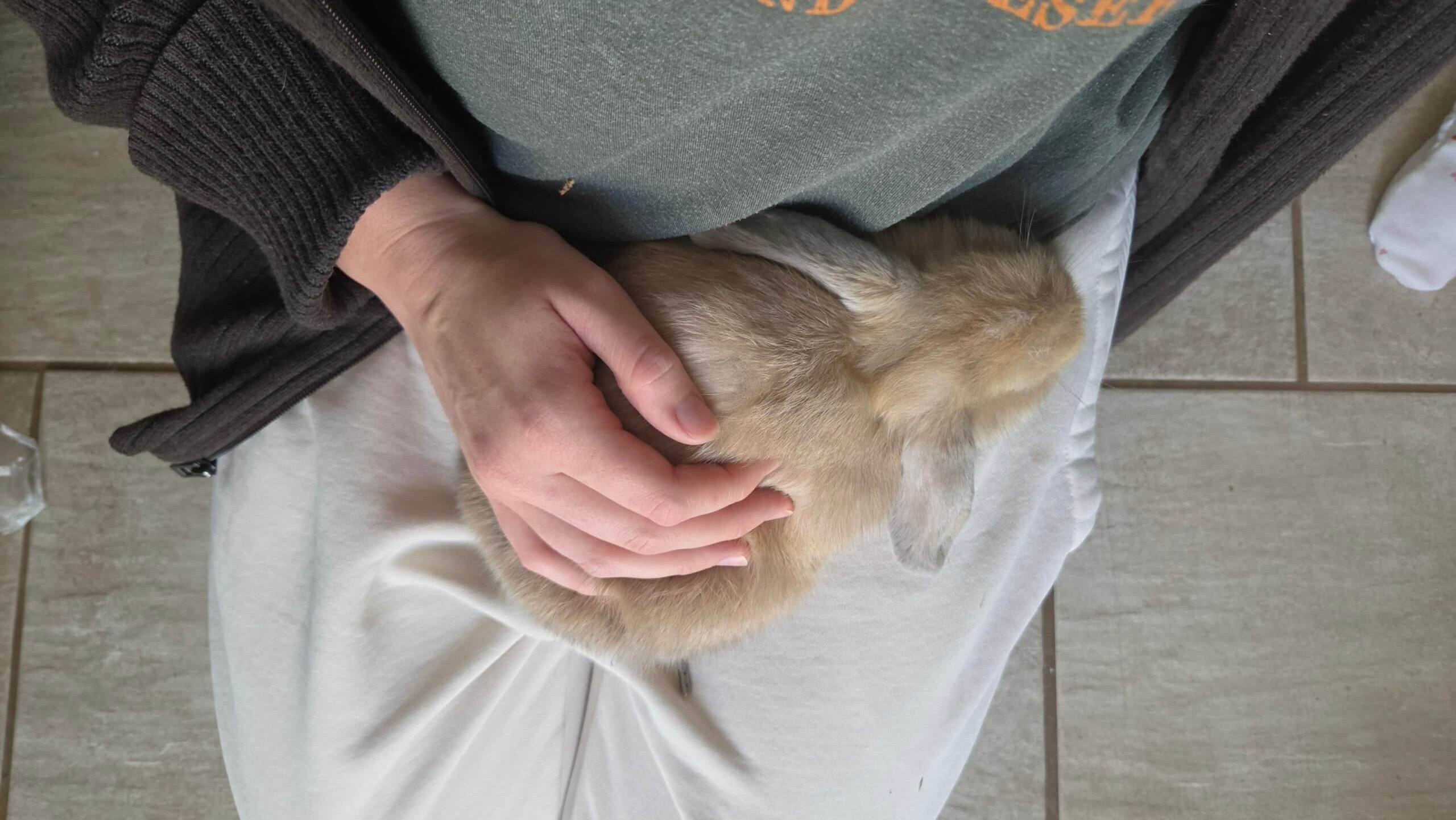
How Long Do Holland Lops Live? The Holland Lop Lifespan Explained
The Holland Lop lifespan is usually the very first thing people want to know before they fall for those floppy ears and bring one home. It’s a smart question to ask. You’re welcoming a companion who will share your daily rhythm for years, so it helps to picture the road ahead.
Here’s the short version. Most Holland Lops live 7 to 10 years, and plenty stretch well past that with thoughtful care.
Let me walk you through what those numbers really mean, what shapes them, and how you can tip the odds toward a longer, happier life for your bunny.

What Is the Average Holland Lop Lifespan?
The average Holland Lop lifespan sits right around 7 to 10 years. That places these little rabbits among the longer-lived domestic breeds, comfortably ahead of giant rabbits, whose years tend to run shorter the same way they do for large dog breeds.
With excellent care, a well-loved Holland Lop can reach 12 years or more. Stories float around of a few touching 14 or 15, though those are the happy exceptions rather than the everyday rule.
Where your rabbit lives matters too. Indoor buns generally outlast their outdoor cousins, who face weather swings, parasites, and predators an indoor pet never has to think about.
What Affects the Holland Lop Lifespan?
No two rabbits are handed the same odds. A handful of factors do most of the heavy lifting when it comes to how long your Holland Lop keeps hopping around.
Genetics and Breeding Quality
Everything starts with the parents. A kit born to healthy, well-bred rabbits inherits a stronger foundation than one from a careless pairing.
Responsible breeders track pedigrees, watch for dental and heart trouble, and match animals with an eye toward soundness. This is exactly why buying from someone reputable gives your bunny a head start. The American Rabbit Breeders Association is a good place to learn breed standards and find registered breeders.
Diet
If genetics load the dice, diet rolls them every single day. Hay is the cornerstone, and it should make up the bulk of what your rabbit eats. All that chewing wears down their ever-growing teeth and keeps the gut moving.
A small ration of quality pellets and a rotating mix of leafy greens rounds things out. Sugary snacks and fruit stay occasional. The House Rabbit Society offers a thorough guide to safe foods and portions worth bookmarking.
Obesity is one of the quiet killers here. An overweight rabbit strains its heart, joints, and digestion, so a measured bowl beats a heaping one every time.

Unlimited grass hay does more for longevity than almost anything else.
Exercise and Living Space
Rabbits were built to move. A Holland Lop shut in a cramped cage all day loses muscle, packs on weight, and grows bored, and none of that helps the Holland Lop lifespan.
Give your bunny room to stretch, binky, and explore for several hours a day. A rabbit-proofed room or a roomy pen stocked with tunnels and boxes keeps both body and mind busy.
Veterinary Care and Spaying or Neutering
A rabbit-savvy vet is worth their weight in gold. Yearly checkups catch small problems before they snowball, and that jumps to twice a year once your bunny reaches its senior stretch around age six or seven.
Spaying and neutering earns its own mention. Beyond calming hormonal behavior, it erases the very high risk of reproductive cancers in does, which on its own can add years to the Holland Lop lifespan.
Common Health Problems That Shorten a Holland Lop’s Lifespan
Knowing the usual suspects helps you spot trouble early. A few conditions crop up often enough in this breed to keep on your radar.
GI stasis tops the list. When a rabbit’s gut slows or stalls, it becomes a genuine emergency and can turn deadly within hours. Any bunny that stops eating or passing droppings needs a vet right away.
Dental disease runs a close second. Those teeth never quit growing, and without enough hay to grind them down, they can spike into the tongue and cheeks.
Respiratory infections, often called snuffles, and sore hocks from hard flooring fill out the common list. Fleas and other parasites deserve routine prevention too, since a dense coat hides them well.
How to Extend Your Holland Lop’s Lifespan
Good news: most of what lengthens the Holland Lop lifespan comes down to steady, everyday habits rather than anything fancy.
Keep unlimited grass hay in front of your rabbit at all times, with a modest, measured portion of pellets and fresh greens alongside.
Book regular vet visits and stay current on vaccines where they apply in your area. Rabbit hemorrhagic disease has made vaccination a real conversation in many regions, so ask your vet.
Offer daily exercise and enrichment to keep weight down and spirits up. Watch your bunny’s waistline closely, since obesity quietly undoes so much good work.
And spay or neuter when the timing is right. Few single choices do as much for the Holland Lop lifespan as this one.
Signs Your Holland Lop Is Aging Well
Rabbits are stoic, so age often sneaks up quietly. As your Holland Lop crosses into its senior years, you might spot a little gray around the muzzle, slower movements, or longer naps.
Some seniors stiffen in the joints or lose a step in hearing and sight. A few grow picky about food or shift their sleep habits.
None of this signals the end. It simply means your companion has earned some extra comfort, softer bedding, and closer attention from that trusted vet.
A Companion Worth Every Year
The Holland Lop lifespan asks for a real commitment, often a full decade of daily care, and it gives back tenfold in personality and affection. These rabbits bond deeply, and the years you pour in come back to you as trust and companionship.
Feed them well, keep them moving, stay ahead of their health, and love them daily. Do that, and you hand your little lop the best shot at a long, full life by your side.
At Rhythm & Bleu, every kit we raise starts with healthy, carefully chosen parents, because a long life begins long before a bunny ever comes home.
Rhythm & Bleu is a small home rabbitry in the Tulsa area specializing in Holland Lops with BEW and Vienna-marked genetics. Meet our herd or see available kits.